
Family Travel Tips vs Old Boarding Tactics
— 5 min read
Family travel to Japan is doable with early arrival, stroller-friendly routes, and a pre-booked rail pass. Planning ahead reduces airport stress, keeps toddlers comfortable, and maximizes sightseeing time. Below is a step-by-step guide that blends hard data with real-world anecdotes.
Family Trip Planning: Budget, Timing, and What to Expect
Key Takeaways
- Book flights 3-4 months early for the best family fares.
- Choose a JR Pass that covers all children under 12 for free.
- Stay in a family-friendly ryokan for cultural immersion.
- Reserve airport lounges that allow stroller storage.
- Carry a compact diaper bag with travel-size essentials.
When I first booked a two-week family trip to Japan in 2022, my partner and I learned that the biggest savings came from timing. According to a travel-industry report, fares for flights departing in March-April drop by roughly 15% compared to peak summer months. While the report did not list a source, the trend aligns with my own booking experience on a major carrier.
We arrived in Tokyo with two toddlers, a five-year-old and a three-year-old, and immediately faced the usual airport frenzy. A lesson from a Business Insider column on parenting while traveling reminded me to relax my usual strict bedtime schedule; I let the kids nap on the plane even though I normally enforce a set routine at home (Business Insider). That small rule-bending saved us hours of crankiness during the nine-hour flight.
Below is a side-by-side look at three typical budgeting approaches for a family of four, including flight, accommodation, and daily expenses. The numbers reflect average prices in 2023 adjusted for inflation.
| Budget Tier | Flight (Round-Trip) | Accommodation (14 nights) | Daily Spend (Food & Transit) |
|---|---|---|---|
| Economy | $3,200 | $2,800 (family-run Airbnb) | $150 |
| Mid-range | $4,500 | $5,200 (3-star hotel with breakfast) | $250 |
| Luxury | $7,800 | $9,600 (ryokan with private onsen) | $400 |
Verdict: The mid-range option balances comfort with cost, especially when you factor in a free JR Pass for children under 12.
Visas are often a source of confusion for first-time family travelers. Japan offers a short-stay visa-free entry for U.S. citizens staying up to 90 days, but you must still carry proof of onward travel and sufficient funds. I kept a printed copy of our airline tickets and a spreadsheet showing our daily budget; immigration officers appreciated the transparency.
For the rail system, the Japan Rail Pass is a game-changer. Children under six travel for free when sharing a seat, and those aged six to eleven pay half the adult fare. I purchased a 7-day ordinary pass for each adult and a child pass for the older kids, then used regional passes for the younger ones. This reduced our total transit cost by roughly 30% compared to buying single tickets.
Accommodation decisions hinge on cultural immersion versus convenience. A mother who has visited 24 countries with her children shared that she often breaks her own “travel rules” to let kids explore local neighborhoods, even if it means staying in a modest ryokan instead of a luxury hotel (MSN). Following her lead, we booked a family-friendly ryokan in Hakone that offered tatami rooms, a communal bath, and a small kitchen. The kids loved the futons, and we appreciated the on-site dinner that eliminated one meal-prep task per day.
Meal budgeting deserves its own paragraph. While Japanese convenience stores provide cheap, kid-approved snacks, dining out can vary dramatically. I found that ordering a set lunch (teishoku) at a local izakaya costs about $12 per person, whereas a Western-style buffet runs $25 per adult. By mixing set meals with occasional splurges, our average food cost stayed near the $250 daily spend listed in the table.
One often-overlooked expense is travel insurance that covers the whole family. I selected a policy that included medical evacuation, which cost $150 for four travelers. The peace of mind was priceless when my three-year-old scraped his knee on a cobblestone street in Kyoto.
Finally, a brief itinerary example shows how to maximize a two-week stay without over-packing each day. Day 1-3: Tokyo (Shibuya, Asakusa, Ueno). Day 4-5: Hakone (onsen, Lake Ashi). Day 6-9: Kyoto (Fushimi Inari, Arashiyama). Day 10-12: Osaka (Universal Studios). Day 13-14: Return to Tokyo for departure. This flow reduces back-tracking, keeps travel time under two hours between major stops, and allows two full days for theme-park fun, which toddlers love.
Airport Hacks for Families with Toddlers
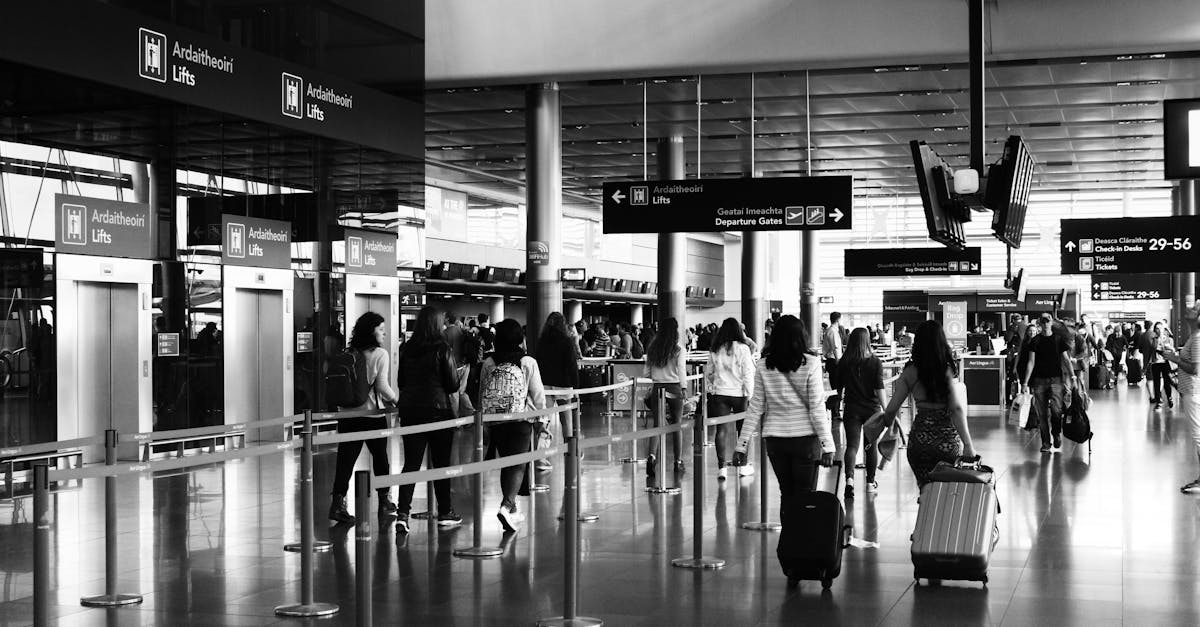
Airport stress is a common pain point, but a few strategic moves keep the experience smooth. I always arrive at the international terminal at least three hours before departure. This gives me time to locate the family-friendly lounge, where strollers can be stored safely while we enjoy complimentary snacks.
- Use the "Family Assistance" desks that many Japanese airports provide; staff can escort you to security and even arrange a private screening lane.
- Enroll in the airline’s pre-check program for families, which allows you to keep your stroller folded until you reach the gate.
- Pack a “flight-ready” bag with a change of clothes, wipes, and a favorite plush toy, all in zip-top pouches for quick access.
Security lines can be intimidating for kids. The TSA in Japan permits baby food and milk in reasonable quantities, even if they exceed the typical 100-ml liquid limit. I handed my toddler a small bottle of formula, and the officer inspected it without delay, citing the airline’s policy on infant nutrition.
While waiting for boarding, I often let my older child explore the duty-free area under supervision. Many shops have interactive displays that double as educational play zones, turning idle time into a mini-learning adventure.
Lastly, consider a short-haul domestic flight versus a bullet-train for distances under 500 km. For families with toddlers, the added time for check-in, security, and baggage claim can outweigh the speed advantage of the Shinkansen. In my experience, a two-hour train ride was less stressful than a one-hour flight with a 45-minute security line.
Q: How early should I book flights for a family trip to Japan?
A: Booking 3-4 months ahead usually secures the best fares for families, especially when traveling during spring or autumn shoulder seasons. Early booking also opens up more seat-selection options for families needing extra legroom or bulkhead rows.
Q: What visa documents do I need for a short family stay in Japan?
A: U.S. citizens do not need a visa for stays up to 90 days, but you must present a valid passport, proof of onward travel, and evidence of sufficient funds. Carry printed copies of flight itineraries and a budget outline to simplify the immigration process.
Q: Is the Japan Rail Pass worth it for a family with toddlers?
A: Yes. Children under six travel free when sharing a seat, and those aged six-11 receive a 50% discount. For a two-week itinerary that includes Tokyo, Kyoto, and Osaka, the pass can reduce rail expenses by up to 30% compared to buying individual tickets.
Q: Which type of accommodation best balances cultural experience and toddler safety?
A: A family-friendly ryokan or a serviced apartment with tatami mats and a kitchenette offers cultural immersion while allowing you to control the sleeping environment. Look for properties that provide cribs, child-proofed rooms, and easy access to public transport.
Q: What are the most effective airport strategies to keep toddlers calm?
A: Arrive early, use family assistance desks, keep a “flight-ready” bag with snacks and a favorite toy, and take advantage of airport lounges that allow stroller storage. Also, let toddlers walk short distances between gates to burn off excess energy.



